
Pest guide
Ants in Texas: fire ants and ants in the house
Most ant problems in Texas homes and yards are fixable on your own. The trick is to go after the colony, not just the ants you can see.
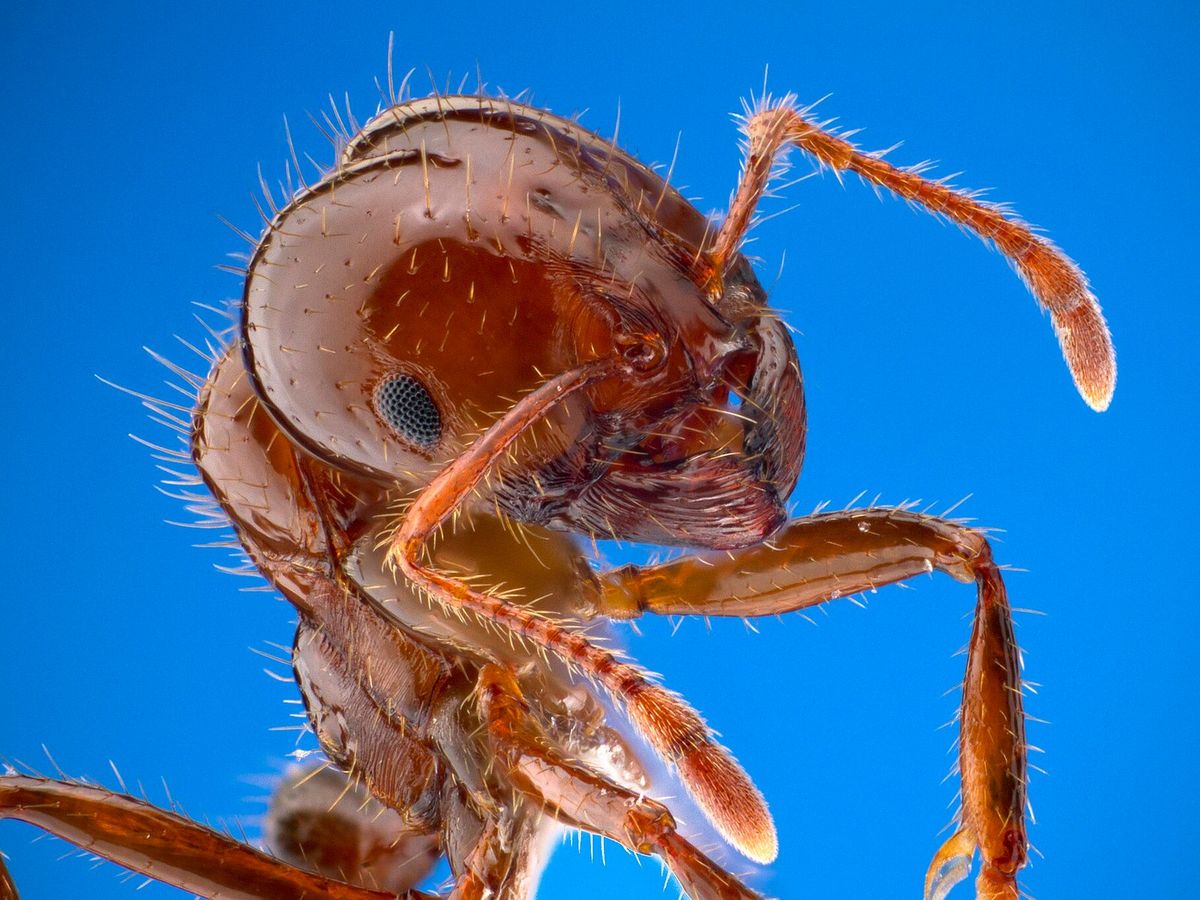
Fire ants #
Red imported fire ants are an invasive species and one of the costliest pests in Texas. Texas A&M AgriLife Extension puts their yearly cost to the state at about $1.2 billion. They build dirt mounds in open areas like lawns and gardens. Step on a mound and the ants pour out and sting fast.
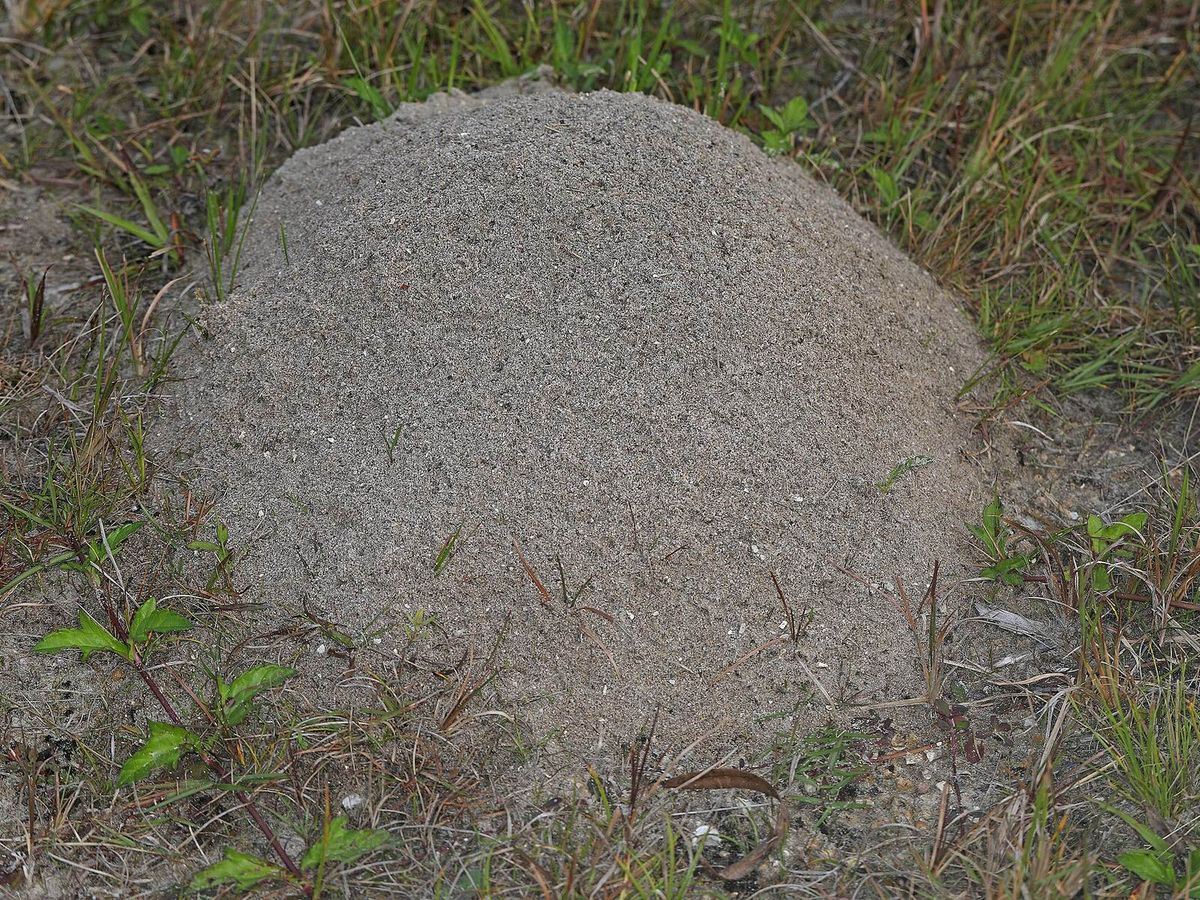

The two-step method #
For yards with lots of mounds (about five or more per quarter acre), Texas A&M AgriLife Extension recommends two steps.
Step 1: Spread bait over the whole yard. Fire ant bait is food mixed with a slow-acting insecticide. Worker ants carry it home and share it with the colony, including the queen.
- When: Late August to mid-October is the preferred window. Bait can work any time it's warm and ants are out looking for food.
- Fresh bait: Use bait from a new, unopened container if you can. Old bait loses its pull.
- Dry weather: Spread it when grass and ground are dry and no rain is expected for 24 to 48 hours.
- Ants active: Late afternoon or evening is often best. Quick test: put a little bait beside a mound. If ants find it within 30 minutes, it's a good time.
- How: Use a hand-held spreader at the rate on the label. Don't mix bait with fertilizer or seed.
- Patience: Baits can take weeks to months to do their job.
Step 2: Treat problem mounds. For mounds next to the swing set, the front walk, or other busy spots, use a mound product labeled for fire ants. The label tells you how much to use and whether to water it in. Keep kids and pets off treated areas for as long as the label says.
Plan to bait once or twice a year. Read Using pesticides with care before you start.
What about boiling water? #
A&M says 2 to 3 gallons of boiling water poured on a mound kills the colony only about 60 percent of the time. Survivors often just move. Boiling water also kills grass and plants, and it's an easy way to get burned.
Hot, dry summers #
In a drought, mounds may seem to disappear. The colony has moved deeper into the soil. Fire ants may also come indoors looking for water. Fixing leaky faucets, AC drips, and irrigation leaks helps. Expect mounds to pop back up after it rains.
Ants inside the house #
Indoor ants are looking for food, water, or a place to nest. Before you grab a spray, know this: spraying an ant trail kills only the workers you can see. A&M warns it can even make things worse by causing a colony to split into more colonies.
Step by step #
- Watch first. Follow the trail to see where the ants come in and where they go back to. Notice what they're eating: sweets, grease, or protein.
- Clean up food. Wipe up spills and crumbs. Keep food in sealed containers. Pick up pet food after meals.
- Cut off water. Fix drips and leaks. Replace wet or rotting wood.
- Close the gaps. Caulk cracks. Replace worn weatherstripping. Trim branches and plants that touch the house. Pull mulch and landscape rock back from the foundation, since they keep the soil moist.
- Use bait, not spray. Choose an ant bait labeled for indoor use. Put it along the trail, out of reach of kids and pets. Don't spray near the bait. Spray keeps ants from carrying the bait home.
- Give it time. A careful baiting program can take three to four weeks or more.
Ant colonies move when disturbed, and some kinds have more than one nest. If the nest is inside a wall or under the slab, reaching it may mean drilling. That's a job for a licensed company.
Carpenter ants #
Texas has 14 species of carpenter ants. They're large ants that often nest in damp or rotting wood. In Texas they rarely cause major damage to buildings, according to A&M, so a few workers may not call for an expensive treatment plan. Ant baits sold for kitchen ants usually don't work on carpenter ants. Baits made for carpenter ants do better.
Tawny crazy ants #
Tawny crazy ants (also called Rasberry crazy ants) were first found near Houston in 2002. They show up in huge numbers, nest mostly outdoors, and ignore most baits. Treating inside the house won't fix the problem. This is a good time to call a licensed company.
Winged ants or termites? #
In spring, swarms of winged insects can be ants or termites. Here's how to tell them apart:
| Ant | Termite | |
|---|---|---|
| Waist | Thin and pinched | Thick, no pinch |
| Antennae | Bent like an elbow | Straight |
| Wings | Front pair longer than back pair | Both pairs about the same length |
Winged ants swarming around a porch light outdoors usually aren't a worry. Winged ants or termites coming out inside the house suggest a colony inside. If you think it's termites, read the termite guide.
When to call a licensed company #
- Ants keep coming back after a month of steady baiting.
- The colony is inside a wall or under a slab.
- You have tawny crazy ants, or carpenter ants nesting indoors.
- Someone in your home is allergic to fire ant stings and the yard is full of mounds.
Before you hire anyone, check the license and make sure it covers the right category for the job. If you'd rather try more on your own first, see Do it yourself or hire a pro.
Was this page helpful?
Your answer is sent to the site team with this page's address. Privacy policy
More pest guides
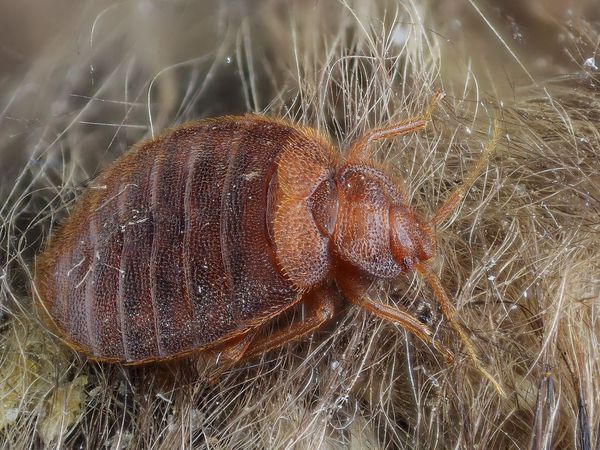
Bed bugs
How to spot bed bugs, a careful do-it-yourself plan with heat, cold and covers, steps for Texas renters, and when to…
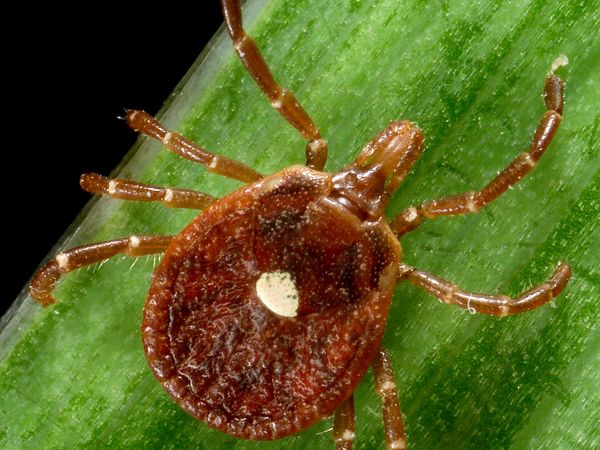
Fleas and ticks
How to break the flea life cycle at home, the flea-borne typhus risk in Texas, how to prevent tick bites, and how to…
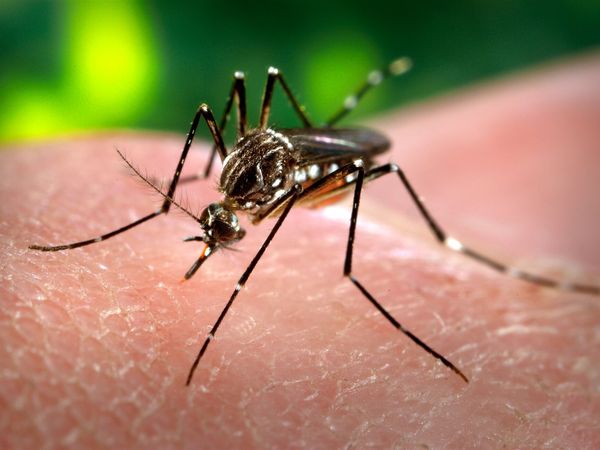
Mosquitoes
Cut mosquitoes at the source, pick an EPA-registered repellent, and know the West Nile risk in Texas.
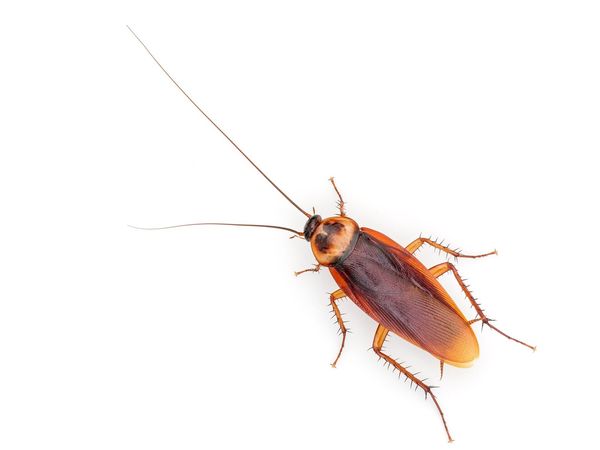
Cockroaches
Small kitchen roaches or big ones from outside? How to tell them apart, how to use baits the right way, why bug bombs…
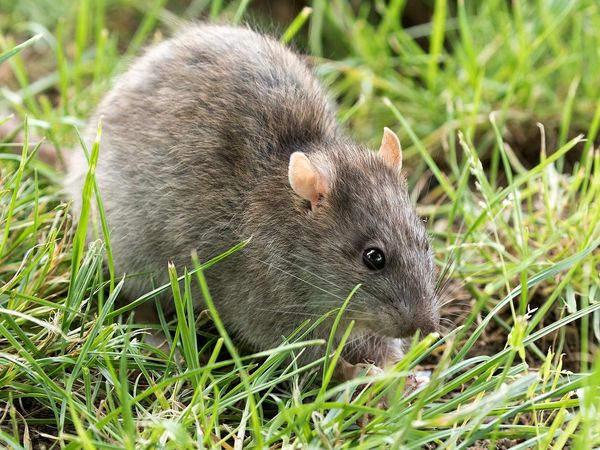
Rats and mice
How to seal, trap and clean up after rats and mice in a Texas home, why to skip glue traps, rules on rodent bait, and…
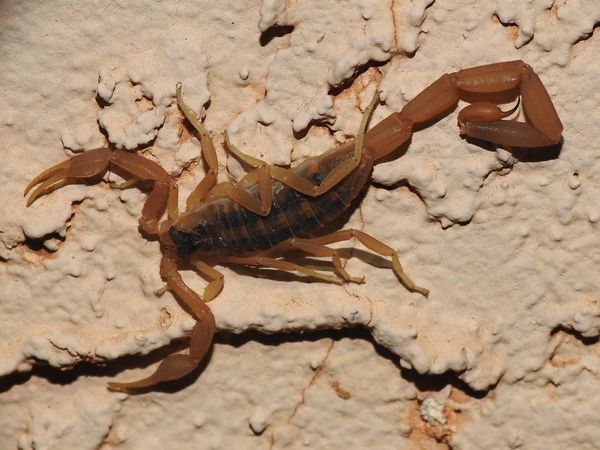
Scorpions
Striped bark scorpions live all over Texas, North Texas included.
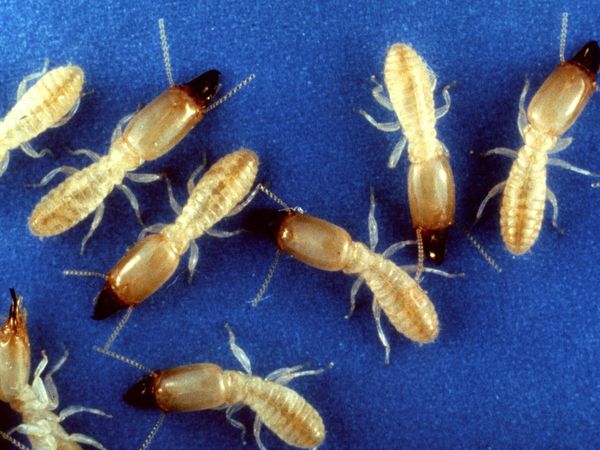
Termites
Signs of termites in a Texas home, how to tell termites from ants, what Texas requires before treatment, and how to read…
All pest guides
Every pest guide on one page, with a search box.
Photo: "Cimex lectularius (bed bug) (5975917188)" by Gilles San Martin, CC BY-SA 2.0, via Wikimedia Commons. Cropped; this version is licensed CC BY-SA 2.0. Photo: "Rattus norvegicus - Brown rat 02" by Zeynel Cebeci, CC BY-SA 4.0, via Wikimedia Commons. Cropped; this version is licensed CC BY-SA 4.0. Photo: "Centruroides vittatus 209027111" by Sam Kieschnick, CC BY 4.0, via Wikimedia Commons. Resized. All photo credits