
Pest guide
Bed bugs: how to check and what to do
Few pests upset people more than bed bugs. Take a breath. The CDC says bed bugs are not known to spread disease, and having them doesn't mean your home is dirty. They hitchhike in luggage, used furniture, and clothes. Acting early makes them much easier to beat.
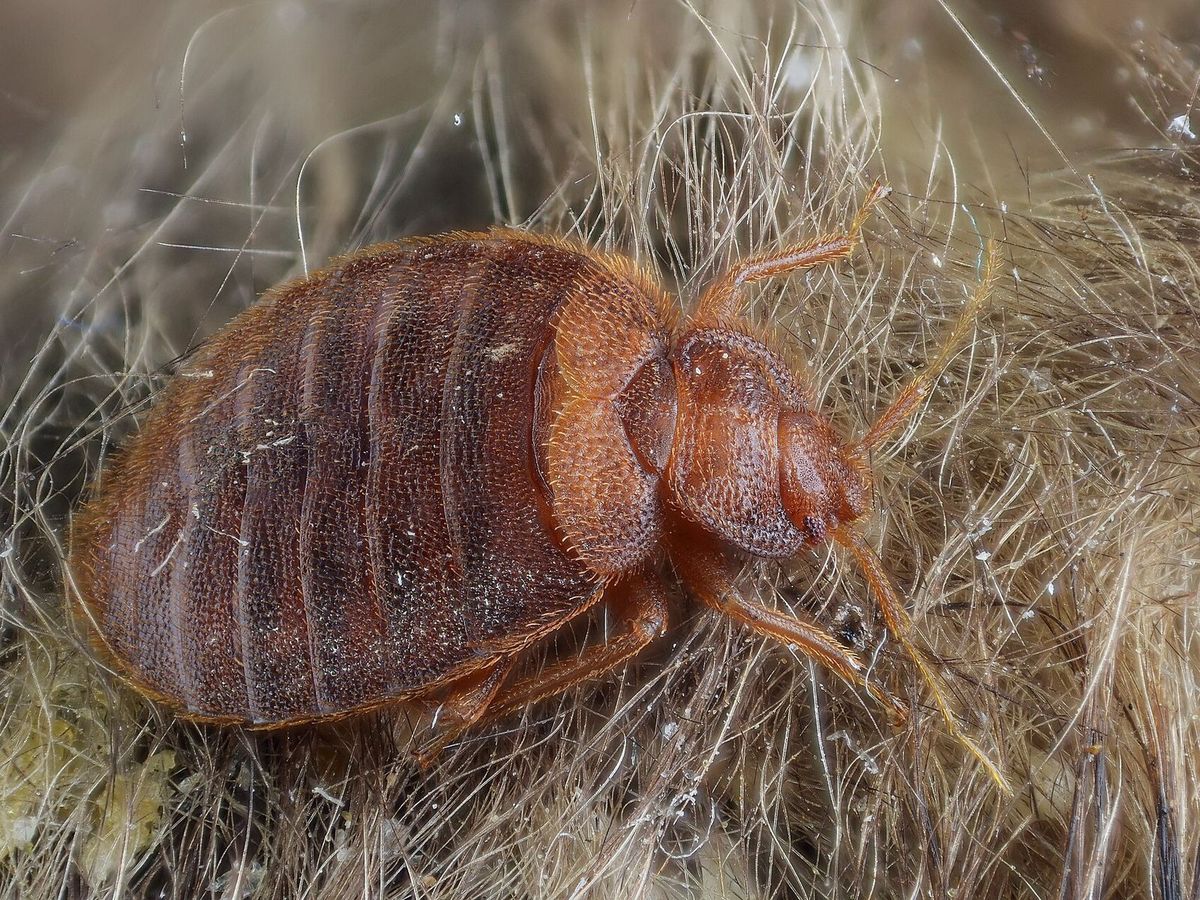

What bed bugs look like #
- Adults are flat, oval, and brown, about the size of an apple seed (3/16 to 1/4 inch).
- After they feed, they swell up and look more reddish.
- Young bed bugs are smaller and pale. They can be hard to see.
- Eggs are pearly white and about the size of a pinhead.
Signs to check for #
Bed bugs: how to check and what to doPest Control Helper
Bed bug signs to check
Bed bugs usually stay within about 8 feet of where people sleep. Start at the bed and work your way out.
About bites: Some people don't react to bites at all. In others, bites show up as small, red, itchy bumps, sometimes in a line. Bites can take up to 14 days to appear. Bites alone can't prove you have bed bugs, but finding a bug can. If bites look infected, or you think you're having an allergic reaction, see a doctor.
Confirm it first #
Catch a bug with clear tape or in a small sealed container. Your county Extension office can identify it, often at no cost. See how to get a bug identified.
A do-it-yourself plan #
The EPA lays out a do-it-yourself approach. Here it is in plain terms. Expect it to take weeks to months.
- Make a plan and keep notes. Write down the dates and exact places you find bugs.
- Don't spread them. Seal items from infested rooms in plastic bags. Things you can't treat can stay sealed in a bag for up to a year.
- Cut the clutter. Fewer hiding spots means better odds.
- Use heat. Run bedding, clothes, and other dryer-safe items through the dryer on high heat.
- Use cold, carefully. A freezer has to reach 0°F. Leave items sealed in a bag inside for at least 3 days. Check with a thermometer, because many home freezers don't get that cold.
- Cover the mattress and box spring with covers made to seal in bed bugs. Leave them on.
- Vacuum seams, cracks, and floors. Each time you finish, seal the vacuum bag tightly and take it straight to an outdoor trash can.
- Seal cracks near the bed with caulk.
- Use interceptors. These cups go under bed legs and catch bugs trying to climb up. Check and clean them every week.
- Keep checking at least once a week, and keep watching for a year after you think they're gone.
If you throw out a mattress or couch, mark it clearly ("bed bugs") so no one takes it home.
Pesticides: be careful #
Read Using pesticides with care before you start.
When to call a licensed company #
- Bugs are in more than one room, or you live in an apartment or duplex.
- You've followed a plan for several weeks and still find live bugs.
- You can't clear the clutter or bag up belongings.
Professionals have tools you don't, such as heat treatment for a whole room or home. Ask:
- What method they'll use and how many visits are included.
- What you need to do to get ready.
- How they'll check that the bugs are gone.
- What happens if bugs come back.
Then check the license. For price ranges, see what pest control costs.
Travel tips #
Bed bugs: how to check and what to doPest Control Helper
Travel checklist
Was this page helpful?
Your answer is sent to the site team with this page's address. Privacy policy
More pest guides
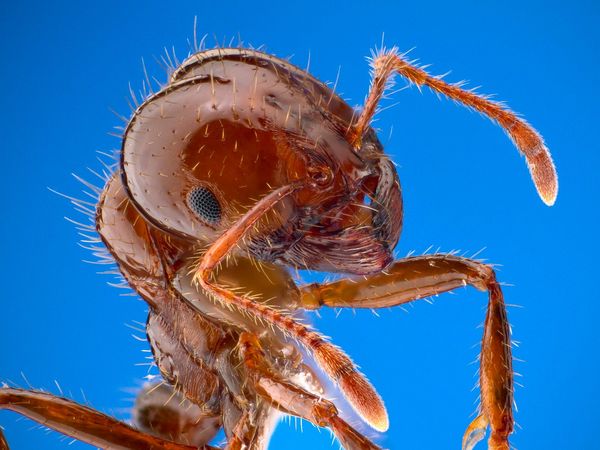
Ants
Fire ants in the yard or ants in the kitchen? The two-step bait method, why spraying trails backfires, and when to call…
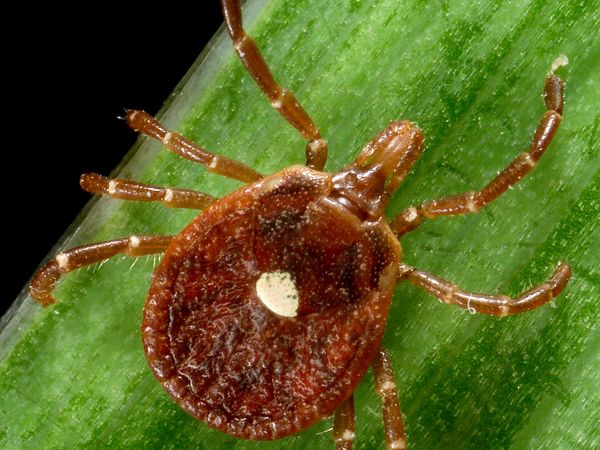
Fleas and ticks
How to break the flea life cycle at home, the flea-borne typhus risk in Texas, how to prevent tick bites, and how to…
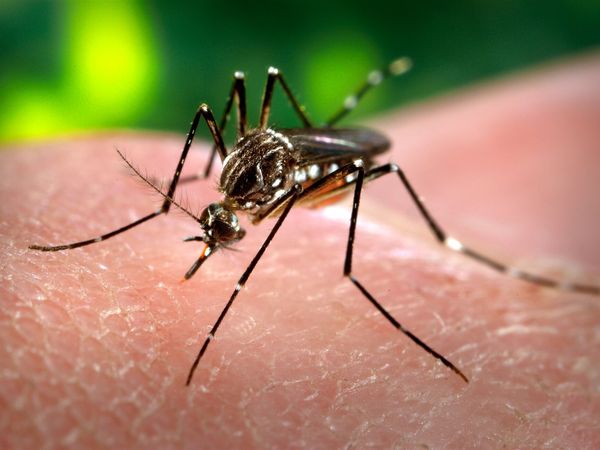
Mosquitoes
Cut mosquitoes at the source, pick an EPA-registered repellent, and know the West Nile risk in Texas.
Cockroaches
Small kitchen roaches or big ones from outside? How to tell them apart, how to use baits the right way, why bug bombs…
Rats and mice
How to seal, trap and clean up after rats and mice in a Texas home, why to skip glue traps, rules on rodent bait, and…
Scorpions
Striped bark scorpions live all over Texas, North Texas included.
Termites
Signs of termites in a Texas home, how to tell termites from ants, what Texas requires before treatment, and how to read…
All pest guides
Every pest guide on one page, with a search box.
Photo: "Rattus norvegicus - Brown rat 02" by Zeynel Cebeci, CC BY-SA 4.0, via Wikimedia Commons. Cropped; this version is licensed CC BY-SA 4.0. Photo: "Centruroides vittatus 209027111" by Sam Kieschnick, CC BY 4.0, via Wikimedia Commons. Resized. All photo credits