
Pest guide
Termites in Texas: signs and next steps
Finding termites is stressful, but termites work slowly. In most cases you have time to learn your options and compare two or three licensed companies before you sign anything.
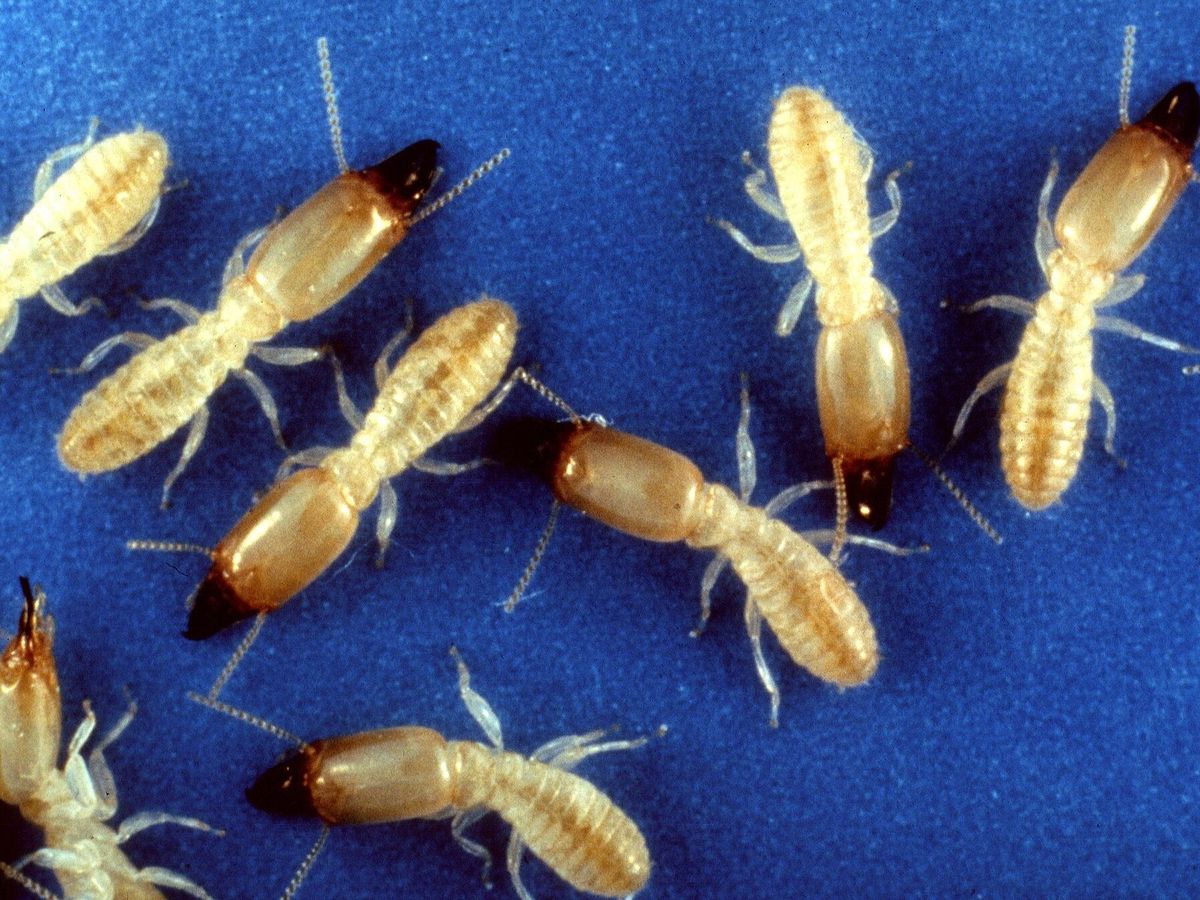
Termites in Texas #
Termites are a big deal here. Subterranean termites alone cause about $500 million in damage in Texas each year, according to Texas A&M AgriLife Extension.
The main kinds:
- Eastern subterranean termites. The most common kind in Texas homes. They live in the soil and reach wood through mud tubes.
- Formosan subterranean termites. An invasive termite now found in more than 30 Texas counties. They're more common along the Gulf Coast and still rare in most of the state.
- Drywood termites. Found across Texas, with the most along the Gulf Coast and in South Texas. They live inside dry wood and don't need contact with soil.
Signs to look for #
Termites in Texas: signs and next stepsPest Control Helper
Termite signs to check
A quick look that finds nothing doesn't prove your home is termite-free. Termites hide well, especially drywood termites that live entirely inside wood.
Ant or termite? #
Swarming ants and termites look alike at first. Check for these:
| Ant | Termite | |
|---|---|---|
| Waist | Thin and pinched | Thick, no pinch |
| Antennae | Bent like an elbow | Straight |
| Wings | Front pair longer than back pair | Both pairs about the same length |
Save a few of the insects or wings. A county Extension office can help you find out. See how to get a bug identified.
What you can do now #
A&M does not recommend treating termites yourself. Proper treatment takes special drilling and pressure equipment. But you can make your house less inviting:
Termites in Texas: signs and next stepsPest Control Helper
Make your house less inviting
How termites are treated #
A licensed company should explain your options in writing. Common ones are:
- Liquid termiticide in the soil. The company treats the soil around and under the house to make a treated zone. This often means trenching along the foundation and drilling through the slab in spots. A&M says it can protect a house for about five years.
- Termite bait stations. Stations go in the ground or on the wall where termites are active. Results can take weeks or longer, and the company has to check the stations regularly.
- Foams and wood treatments. These reach wall voids, porches, and other hard spots, and are often added to other methods.
- For drywood termites: treating the infested wood directly, or fumigating the whole house under a tent. Tent fumigation needs a separate license category.
What Texas requires before treatment #
Texas rules protect you here. Before any treatment for subterranean or drywood termites, the company must give you a written estimate with disclosure documents. They must include:
Termites in Texas: signs and next stepsPest Control Helper
What the written estimate must include
A company can give you a rough price range over the phone, but that doesn't replace the written estimate. TDA also says a proposal can't be written on the back of a business card. You must get the documents before work starts.
Reading the warranty #
Termite warranties vary a lot. Ask:
Termites in Texas: signs and next stepsPest Control Helper
Questions to ask about the warranty
Texas doesn't allow routine yearly re-treatment without a reason, such as clear signs termites are back or the treated soil was disturbed. Keep copies of every document.
Buying or selling a home #
Termite inspections for a real estate sale are reported on TDA's required form, the Texas Official Wood Destroying Insect Report (often called a WDI report). TDA says these inspections cover only the areas that are easy to reach. An inspection isn't a warranty, and it isn't a report on structural damage. If termites turn up before closing, there is usually still time to choose a treatment carefully. Rushing into a weak plan is worse than delaying.
Licenses for termite work #
Termite work in Texas requires a TDA license in the termite category. Tent fumigation requires the structural fumigation category. Here's how to check a license. For price ranges, see what pest control costs.
Was this page helpful?
Your answer is sent to the site team with this page's address. Privacy policy
More pest guides
Ants
Fire ants in the yard or ants in the kitchen? The two-step bait method, why spraying trails backfires, and when to call…
Bed bugs
How to spot bed bugs, a careful do-it-yourself plan with heat, cold and covers, steps for Texas renters, and when to…
Fleas and ticks
How to break the flea life cycle at home, the flea-borne typhus risk in Texas, how to prevent tick bites, and how to…
Mosquitoes
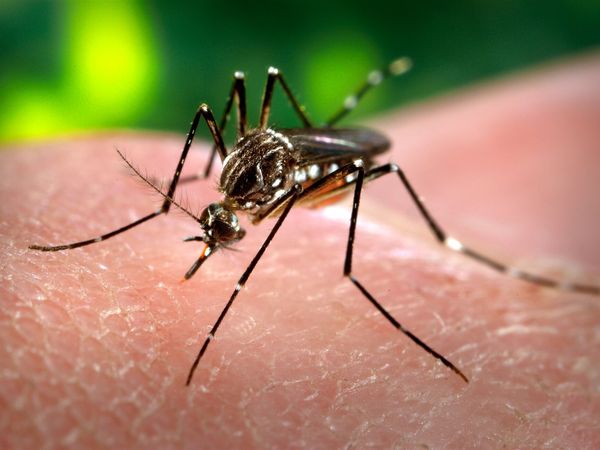
Cut mosquitoes at the source, pick an EPA-registered repellent, and know the West Nile risk in Texas.
Cockroaches
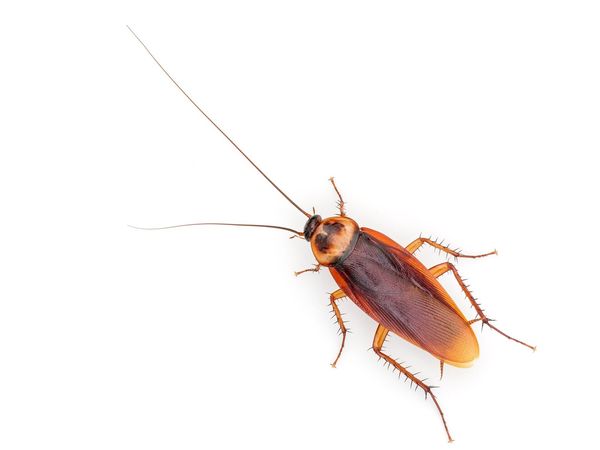
Small kitchen roaches or big ones from outside? How to tell them apart, how to use baits the right way, why bug bombs…

Rats and mice
How to seal, trap and clean up after rats and mice in a Texas home, why to skip glue traps, rules on rodent bait, and…
Scorpions
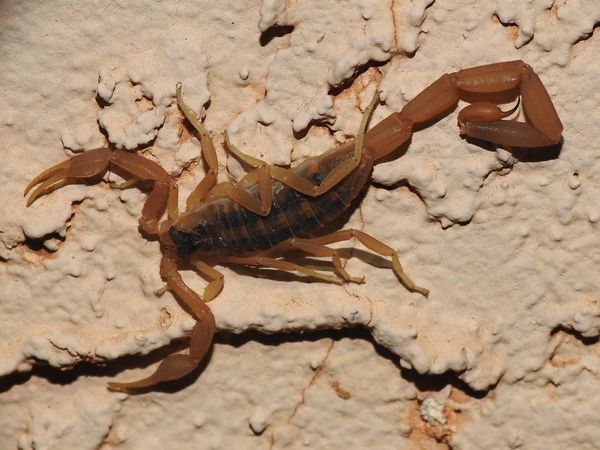
Striped bark scorpions live all over Texas, North Texas included.
All pest guides
Every pest guide on one page, with a search box.
Photo: "Cimex lectularius (bed bug) (5975917188)" by Gilles San Martin, CC BY-SA 2.0, via Wikimedia Commons. Cropped; this version is licensed CC BY-SA 2.0. Photo: "Rattus norvegicus - Brown rat 02" by Zeynel Cebeci, CC BY-SA 4.0, via Wikimedia Commons. Cropped; this version is licensed CC BY-SA 4.0. Photo: "Centruroides vittatus 209027111" by Sam Kieschnick, CC BY 4.0, via Wikimedia Commons. Resized. All photo credits