
Pest guide
Mosquitoes in Texas: fewer breeding spots, fewer bites
In Texas, mosquitoes can make you sick, not just itchy. Some carry West Nile virus. Others can carry dengue, Zika, and chikungunya. The Texas Department of State Health Services (DSHS) counted 976 West Nile cases and 106 deaths in Texas over the five years before its May 2026 report. That month, DSHS confirmed the state's first West Nile case of 2026, in Harris County. By mid-October, DSHS had counted 83 West Nile cases and 4 deaths in Texas for 2026, based on early numbers.
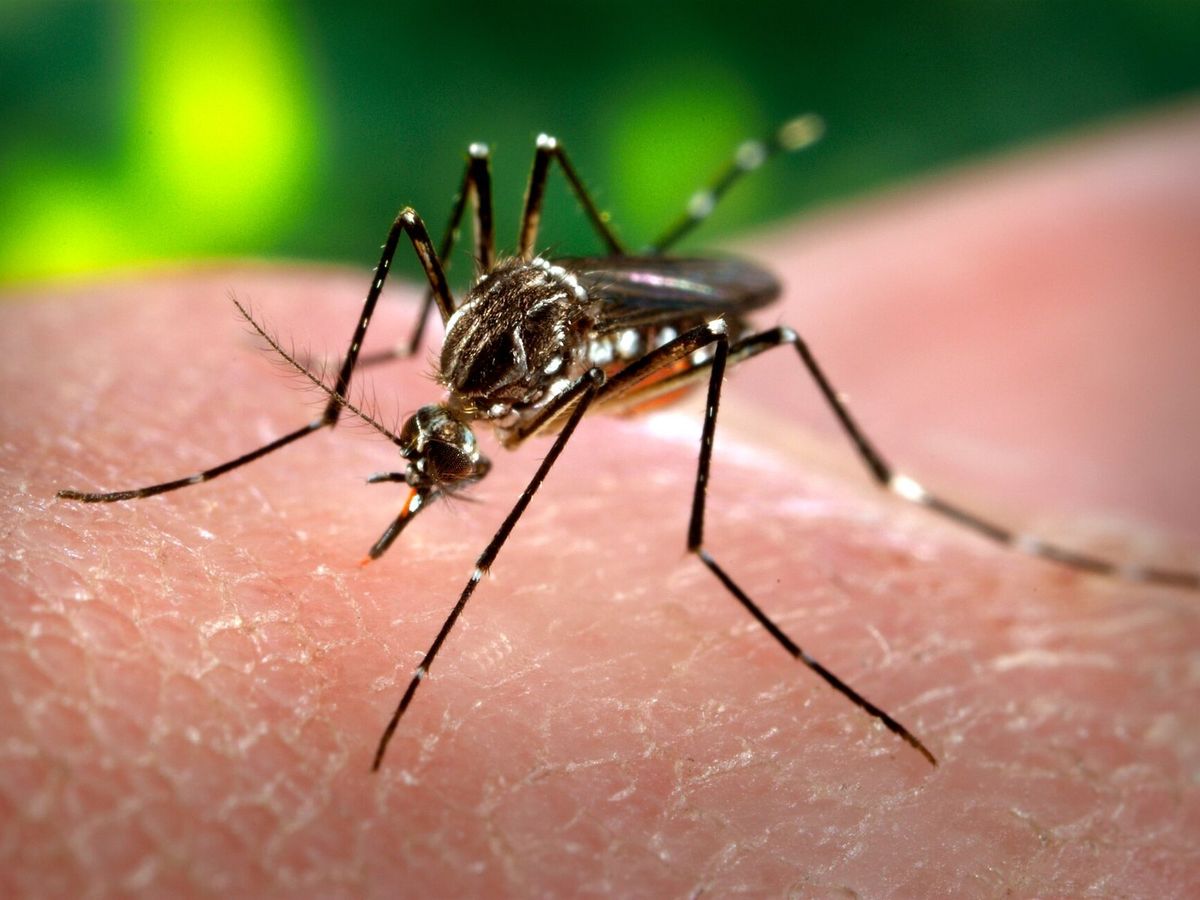
Most people infected with West Nile never feel sick. About 1 in 5 get a fever, headache, body aches, nausea, or tiredness. Fewer than 1 in 100 get a severe illness that affects the brain and nerves. If you get sick after mosquito bites, see a doctor and mention the bites.
Know your mosquitoes #
- Container mosquitoes (Aedes). These include the yellow fever mosquito and the Asian tiger mosquito. They lay eggs in anything around your home that holds water, and they bite mostly during the day. The yellow fever mosquito can carry dengue, Zika, and chikungunya. It's a weak flier that usually stays within a block or two of where it hatched, so the ones biting you probably grew up close by.
- Culex mosquitoes. These carry West Nile virus. They breed in still, stagnant water, including storm drains, and build up as the weather turns hot and dry after rains.
- Floodwater mosquitoes. These hatch after heavy rain. They're bigger and bite hard.
Mosquitoes are worst in warm months. Texas A&M AgriLife Extension notes that the mosquitoes that carry disease are usually the biggest problem in late summer and early fall.
Step 1: Dump the water every week #
Container mosquitoes can go from egg to biting adult in a matter of days. Once a week, empty, scrub, turn over, cover, or throw out anything that holds water:
Mosquitoes in Texas: fewer breeding spots, fewer bitesPest Control Helper
Weekly water check
A few things need more often than weekly:
- Birdbaths and wading pools: change the water several times a week.
- Outdoor pet bowls: change the water every day.
Walk your yard after every rain and dump what collected.
Step 2: Treat water you can't dump #
For water you can't empty, like an ornamental pond or a low spot that stays wet, use a larvicide labeled for mosquito larvae. These come as floating rings, tablets, or granules. Follow the label, including any limits for ponds with fish or water that animals drink.
Step 3: Keep them out of the house #
- Keep window and door screens in good repair.
- Use air conditioning when you can.
Step 4: Protect your skin #
The CDC recommends an EPA-registered repellent with one of these active ingredients:
- DEET
- Picaridin
- IR3535
- Oil of lemon eucalyptus (OLE)
- Para-menthane-diol (PMD)
- 2-undecanone
Tips for using repellent:
- Look for the EPA registration number on the label, and follow the directions.
- Put on sunscreen first, then repellent.
- Don't use OLE or PMD products on children under 3.
- Don't put repellent on babies under 2 months old. Cover strollers and carriers with mosquito netting instead.
- For kids, spray repellent onto your own hands, then put it on their face. Keep it off their hands, eyes, mouth, and any cuts.
- The EPA has an online tool to find the repellent that's right for you.
Wear loose, long sleeves and long pants when mosquitoes are biting. Clothing treated with permethrin adds protection. Never put permethrin on your skin. Permethrin can be very harmful to cats, so keep cats away from treated clothing until it's dry.
What about yard sprays? #
- Sprays you buy to kill adult mosquitoes last about 24 hours, according to A&M.
- Professional barrier sprays last longer, but they wear off over time.
- Neither one fixes the water where mosquitoes breed. Dumping water comes first.
- Citronella plants, candles, and smoke give only limited protection. A&M says essential oils have only anecdotal support.
Many Texas cities run their own mosquito control programs, usually for short periods. Check your city's website if your whole neighborhood has a problem.
When to call a licensed company #
Mosquito control done for pay requires a license from the Texas Department of Agriculture. The license category that covers mosquitoes is pest control. Before you sign up for a service, check the license. Ask what the company will do about breeding sites, not just spraying, and how long the treatment lasts. If you use any product yourself, read Using pesticides with care.
Was this page helpful?
Your answer is sent to the site team with this page's address. Privacy policy
More pest guides
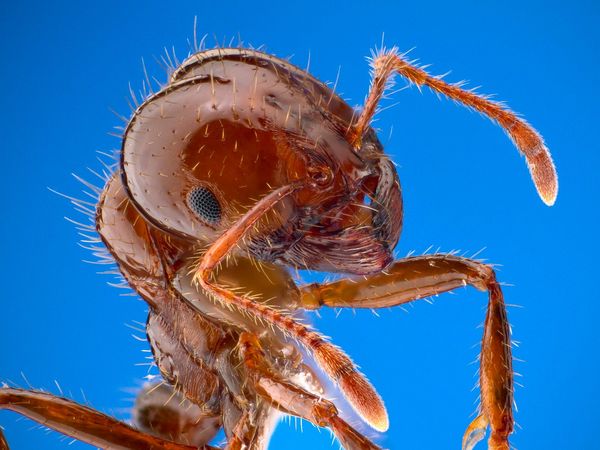
Ants
Fire ants in the yard or ants in the kitchen? The two-step bait method, why spraying trails backfires, and when to call…
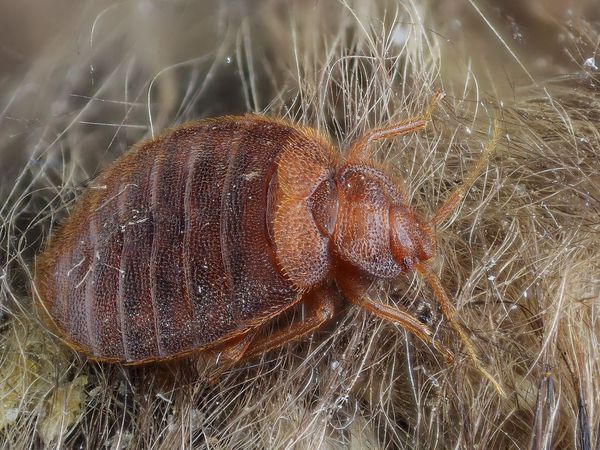
Bed bugs
How to spot bed bugs, a careful do-it-yourself plan with heat, cold and covers, steps for Texas renters, and when to…
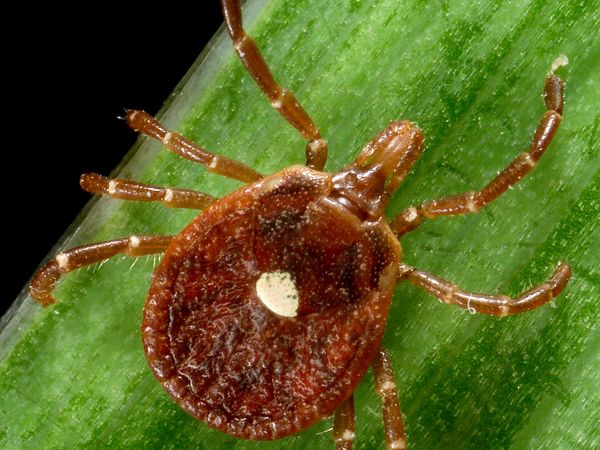
Fleas and ticks
How to break the flea life cycle at home, the flea-borne typhus risk in Texas, how to prevent tick bites, and how to…
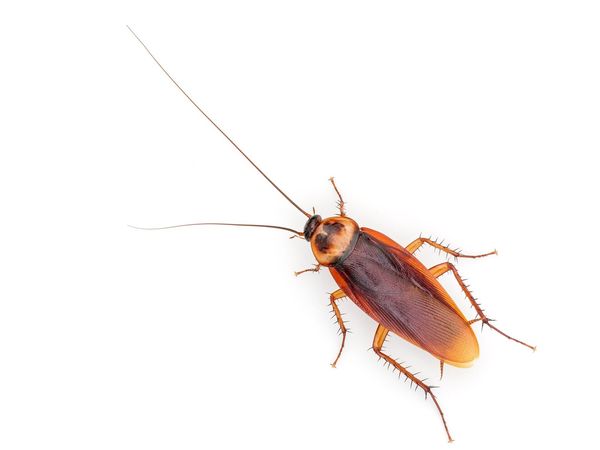
Cockroaches
Small kitchen roaches or big ones from outside? How to tell them apart, how to use baits the right way, why bug bombs…
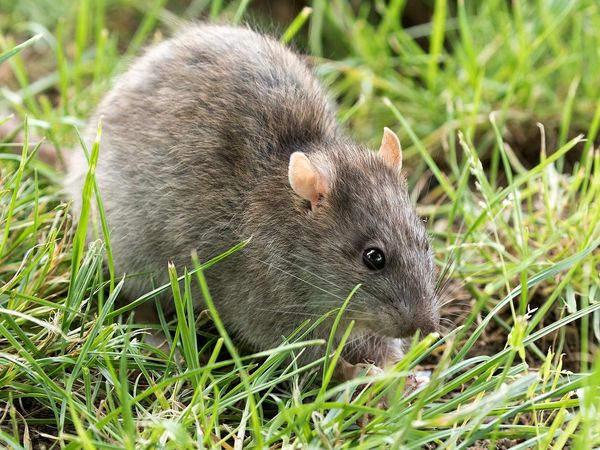
Rats and mice
How to seal, trap and clean up after rats and mice in a Texas home, why to skip glue traps, rules on rodent bait, and…
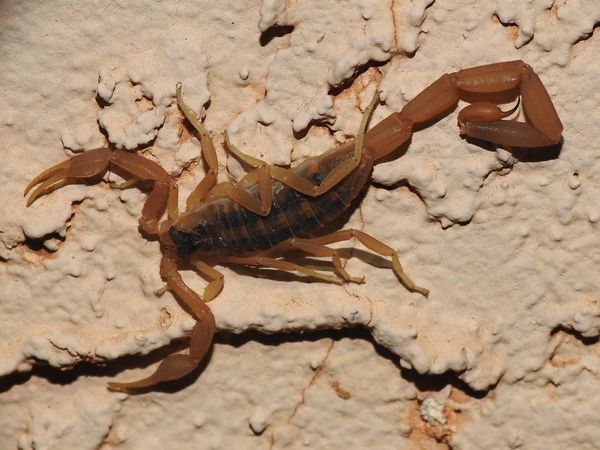
Scorpions
Striped bark scorpions live all over Texas, North Texas included.
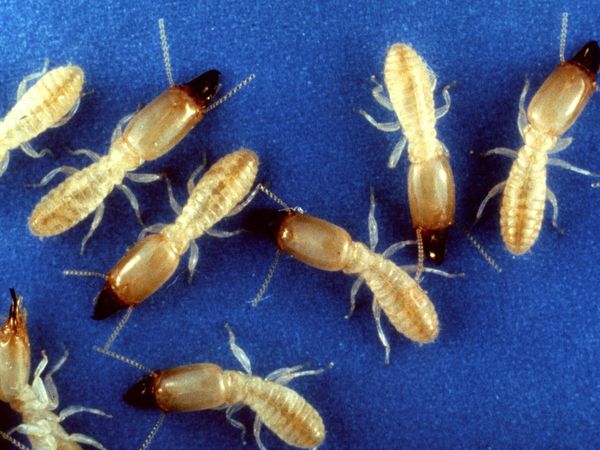
Termites
Signs of termites in a Texas home, how to tell termites from ants, what Texas requires before treatment, and how to read…
All pest guides
Every pest guide on one page, with a search box.
Photo: "Cimex lectularius (bed bug) (5975917188)" by Gilles San Martin, CC BY-SA 2.0, via Wikimedia Commons. Cropped; this version is licensed CC BY-SA 2.0. Photo: "Rattus norvegicus - Brown rat 02" by Zeynel Cebeci, CC BY-SA 4.0, via Wikimedia Commons. Cropped; this version is licensed CC BY-SA 4.0. Photo: "Centruroides vittatus 209027111" by Sam Kieschnick, CC BY 4.0, via Wikimedia Commons. Resized. All photo credits