
Pest guide
Fleas and ticks: protect your pets and your home
Fleas and ticks can do more than make you itch. In Texas, fleas can spread flea-borne typhus, and ticks can spread several diseases. A steady plan for your pets, your home, and your yard helps keep both in check.
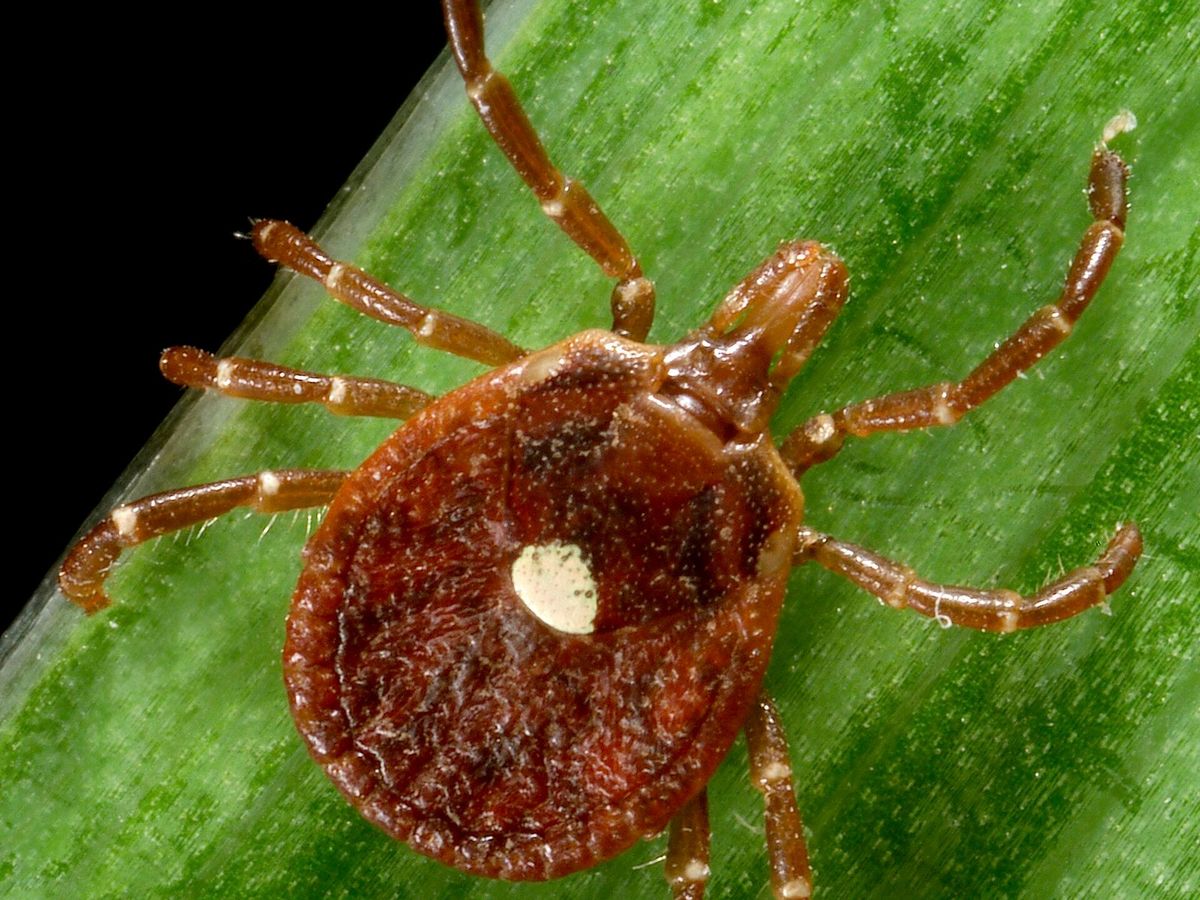
Fleas #
Cat fleas feed on both cats and dogs. Adults are about 1/8 inch long, brown to black, and wingless. They jump a long way for their size.
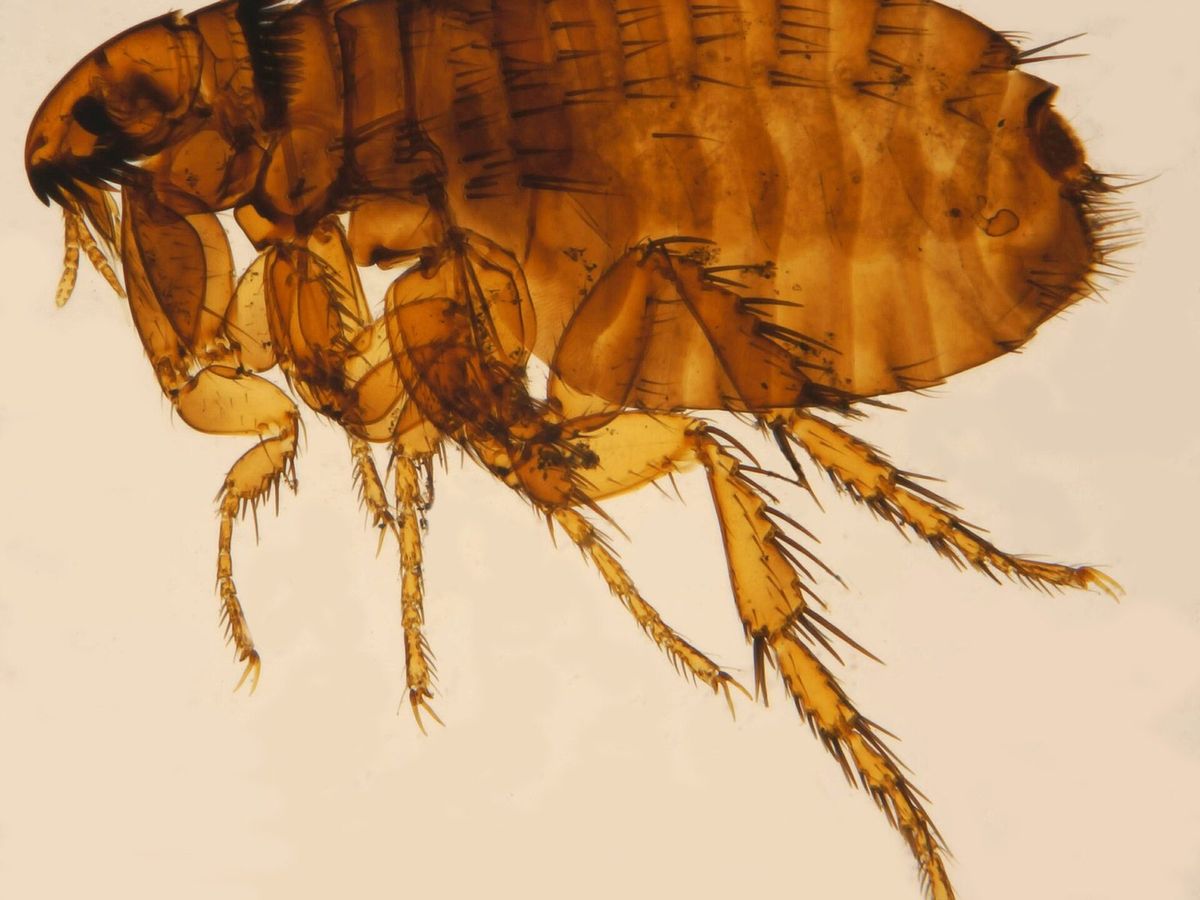

Why fleas keep coming back #
Adult fleas lay eggs on your pet. The eggs fall off into carpet, bedding, and furniture. They hatch into tiny larvae that live in those spots. The larvae then spin cocoons. Cocoons usually last 7 to 14 days but can last longer, and sprays can't reach them. That's why you may see new fleas days after you treat. Plan for follow-up, not one big spray.
Flea-borne typhus in Texas #
Texas reports more flea-borne (murine) typhus cases than any other state, according to DSHS. Texas had 1,110 reported cases in 2025, based on early numbers. Most cases are in South Texas, from Nueces County down to the Rio Grande Valley. Newer areas of concern include Dallas-Fort Worth, Greater Houston, and Bexar and Travis counties.
The germ is carried by fleas from rats, opossums, cats, dogs, and other small mammals. People usually get it when infected flea droppings are rubbed into a bite or a scratch. It can be treated with certain antibiotics. If you get a fever after being around fleas, see a doctor soon and mention the fleas.
Your flea plan #
Treat your pets, your home, and your yard at the same time.
- Pets. Ask your vet which flea product to use. Treat every dog and cat in the home. Use each product only on the kind of animal and weight range on its label. Never use a dog product on a cat, or a cat product on a dog. The EPA warns that some pesticides are more toxic to one species than the other. Some dog products contain permethrin, which can be very harmful to cats.
- Vacuum often. Focus on where pets rest, under furniture and cushions, and along walls. Empty or replace the vacuum bag at least once a week, since fleas can keep growing inside it.
- Wash pet bedding and the blankets your pets lie on.
- Indoor products. If you use one, pick a product labeled for fleas indoors. Products with an insect growth regulator (IGR) stop eggs and larvae from growing into biting adults. Keep people and pets off treated areas for as long as the label says.
- The yard. Fleas live in shady spots where pets rest: under decks, under shrubs, and in crawl spaces. Sunny, well-kept lawns usually don't have many fleas.
- Follow up. Texas A&M AgriLife Extension suggests follow-up treatments starting 5 to 10 days after the first one, to catch fleas that hatch late. Stay within what the label allows.
Keep flea carriers away #
DSHS suggests these steps to cut down on rats, opossums, and stray cats near your home:
- Clear brush and trash, and keep the grass mowed.
- Keep firewood off the ground.
- Don't leave pet food outside overnight.
- Keep rodents out of the house. If you have rats or mice, treat for fleas first. Read the rats and mice guide.
Ticks #
DSHS lists anaplasmosis, ehrlichiosis, Lyme disease, spotted fever rickettsiosis (which includes Rocky Mountain spotted fever), tick-borne relapsing fever, and tularemia among the diseases ticks can spread in Texas. Ticks are most active in spring and summer, and Rocky Mountain spotted fever in Texas peaks from April through September. Lyme disease is not commonly caught in Texas, which DSHS calls a low-incidence state.
Ticks wait in grassy, brushy, and wooded areas. The CDC notes that many people pick them up in their own yards.
Before you go outside #
- The CDC recommends an EPA-registered repellent with DEET, picaridin, IR3535, oil of lemon eucalyptus (OLE), para-menthane-diol (PMD), or 2-undecanone. Follow the label. Don't use OLE or PMD on children under 3.
- The CDC suggests treating boots, clothes, and gear with a product containing 0.5% permethrin, or buying clothing that's already treated. Follow the label. Never put permethrin on skin. Permethrin can be very harmful to cats, so keep cats away from treated items until they're dry.
- Walk in the middle of trails. Stay out of tall grass and leaf piles.
Fleas and ticks: protect your pets and your homePest Control Helper
When you come back inside
Around your yard #
- Mow often and clear leaf litter, tall grass, and brush.
- Put a 3-foot strip of wood chips or gravel between your lawn and any wooded area.
- Keep swing sets and decks away from the edges of the yard.
- Stack firewood neatly in a dry spot.
- Ask your vet about tick prevention for your pets.
How to remove a tick #
The CDC's steps:
- Use clean, fine-tipped tweezers. Grab the tick as close to the skin as you can.
- Pull straight up with steady, even pressure. Don't twist or jerk.
- If part of the mouth stays in, leave it if you can't get it out easily. Your skin will usually push it out as it heals.
- Clean the bite and your hands with soap and water, rubbing alcohol, or hand sanitizer.
- Get rid of the tick by putting it in rubbing alcohol, sealing it in a bag or container, wrapping it in tape, or flushing it. Don't crush it with your fingers.
Don't use petroleum jelly, nail polish, or heat to make a tick let go.
When to call a licensed company #
- Fleas are still around after 2 to 3 weeks of treating pets, home, and yard together.
- You keep finding ticks crawling inside the house.
- Your yard has a heavy flea or tick problem you can't get ahead of.
Check the license first, and read Using pesticides with care before you use any product yourself.
Was this page helpful?
Your answer is sent to the site team with this page's address. Privacy policy
More pest guides
Ants
Fire ants in the yard or ants in the kitchen? The two-step bait method, why spraying trails backfires, and when to call…
Bed bugs
How to spot bed bugs, a careful do-it-yourself plan with heat, cold and covers, steps for Texas renters, and when to…
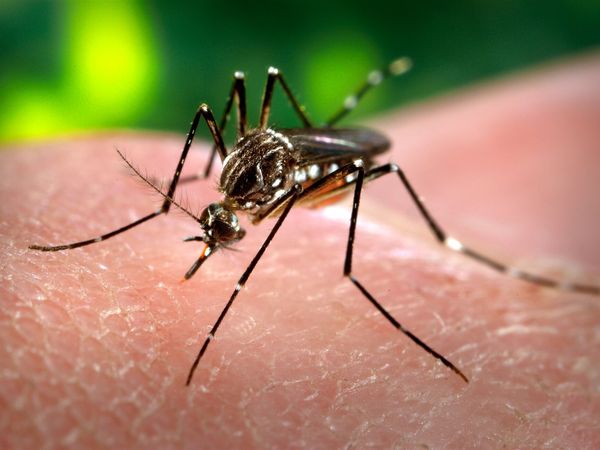
Mosquitoes
Cut mosquitoes at the source, pick an EPA-registered repellent, and know the West Nile risk in Texas.
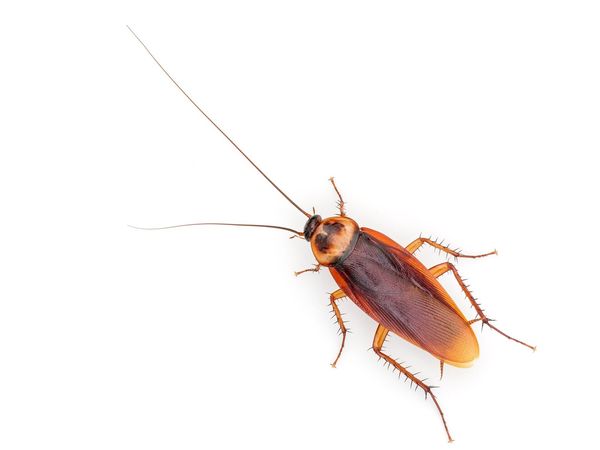
Cockroaches
Small kitchen roaches or big ones from outside? How to tell them apart, how to use baits the right way, why bug bombs…
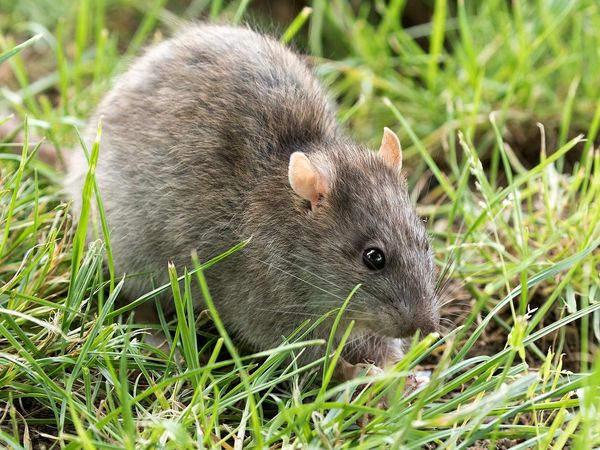
Rats and mice
How to seal, trap and clean up after rats and mice in a Texas home, why to skip glue traps, rules on rodent bait, and…
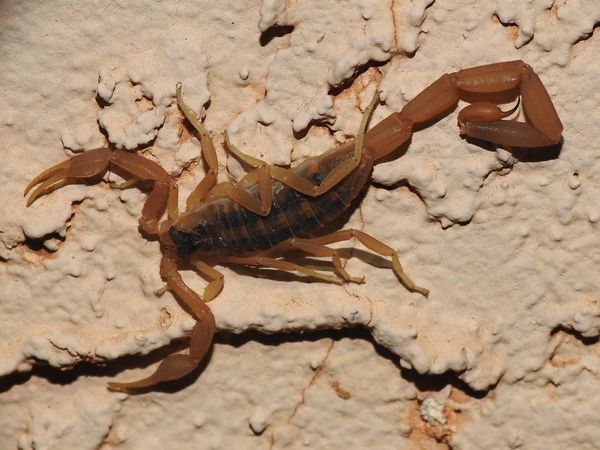
Scorpions
Striped bark scorpions live all over Texas, North Texas included.
Termites
Signs of termites in a Texas home, how to tell termites from ants, what Texas requires before treatment, and how to read…
All pest guides
Every pest guide on one page, with a search box.
Photo: "Cimex lectularius (bed bug) (5975917188)" by Gilles San Martin, CC BY-SA 2.0, via Wikimedia Commons. Cropped; this version is licensed CC BY-SA 2.0. Photo: "Rattus norvegicus - Brown rat 02" by Zeynel Cebeci, CC BY-SA 4.0, via Wikimedia Commons. Cropped; this version is licensed CC BY-SA 4.0. Photo: "Centruroides vittatus 209027111" by Sam Kieschnick, CC BY 4.0, via Wikimedia Commons. Resized. All photo credits