
Pest guide
Rats and mice: getting them out and keeping them out
Rats and mice don't just chew wires and get into food. They can carry diseases, and the germs are in their droppings, urine, and nests. The CDC lists hantavirus, leptospirosis, salmonellosis, and rat-bite fever among the illnesses rodents can spread to people. You can't tell whether a rodent is infected by looking at it.
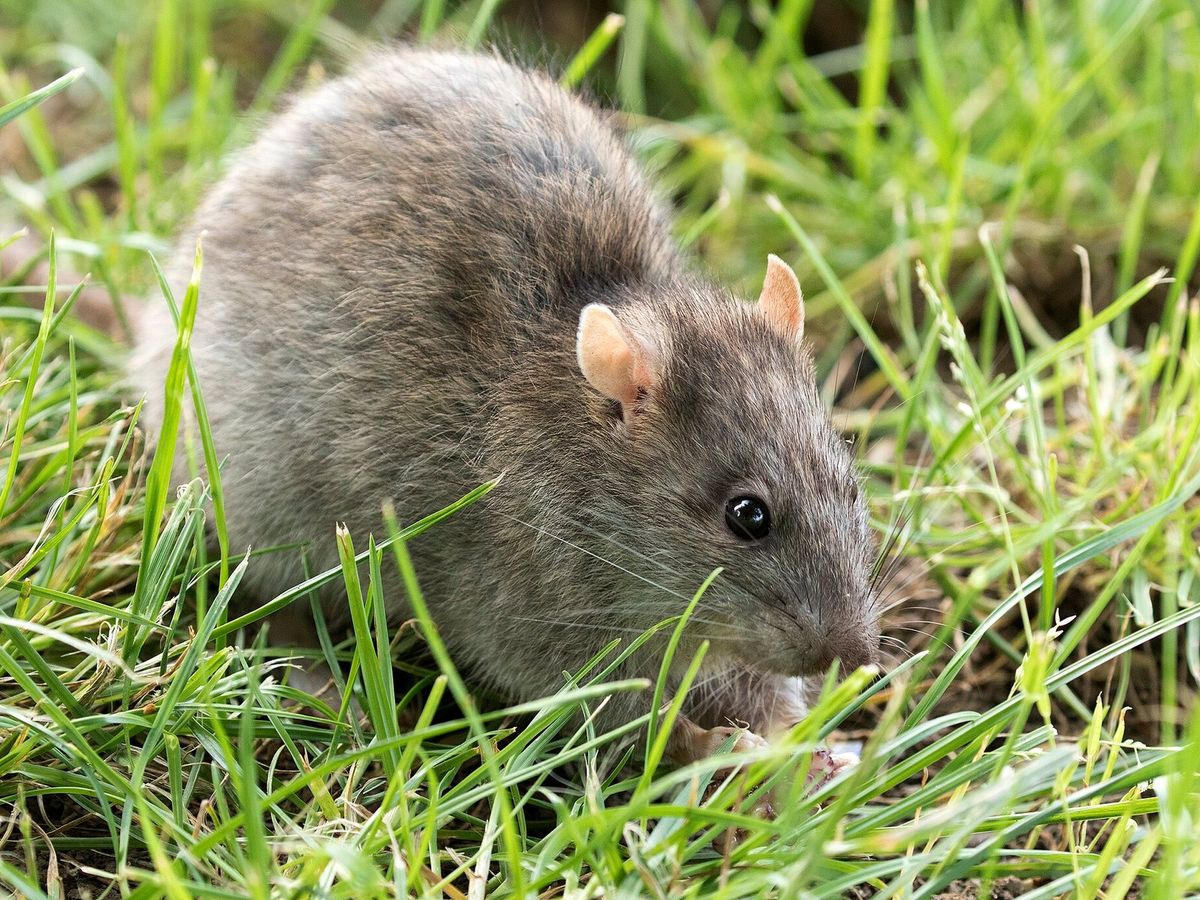

The CDC's plan comes down to three steps: seal up, trap up, clean up.
Signs you have rodents #
Rats and mice: getting them out and keeping them outPest Control Helper
Check for these signs
Three kinds cause most problems in Texas homes:
- Roof rats are climbers. They usually nest in attics and inside double walls. Tree branches touching the roof give them a road in.
- Norway rats stay low. They burrow under foundations, along slabs, and under piles of stuff.
- House mice are the smallest and squeeze into tiny gaps.
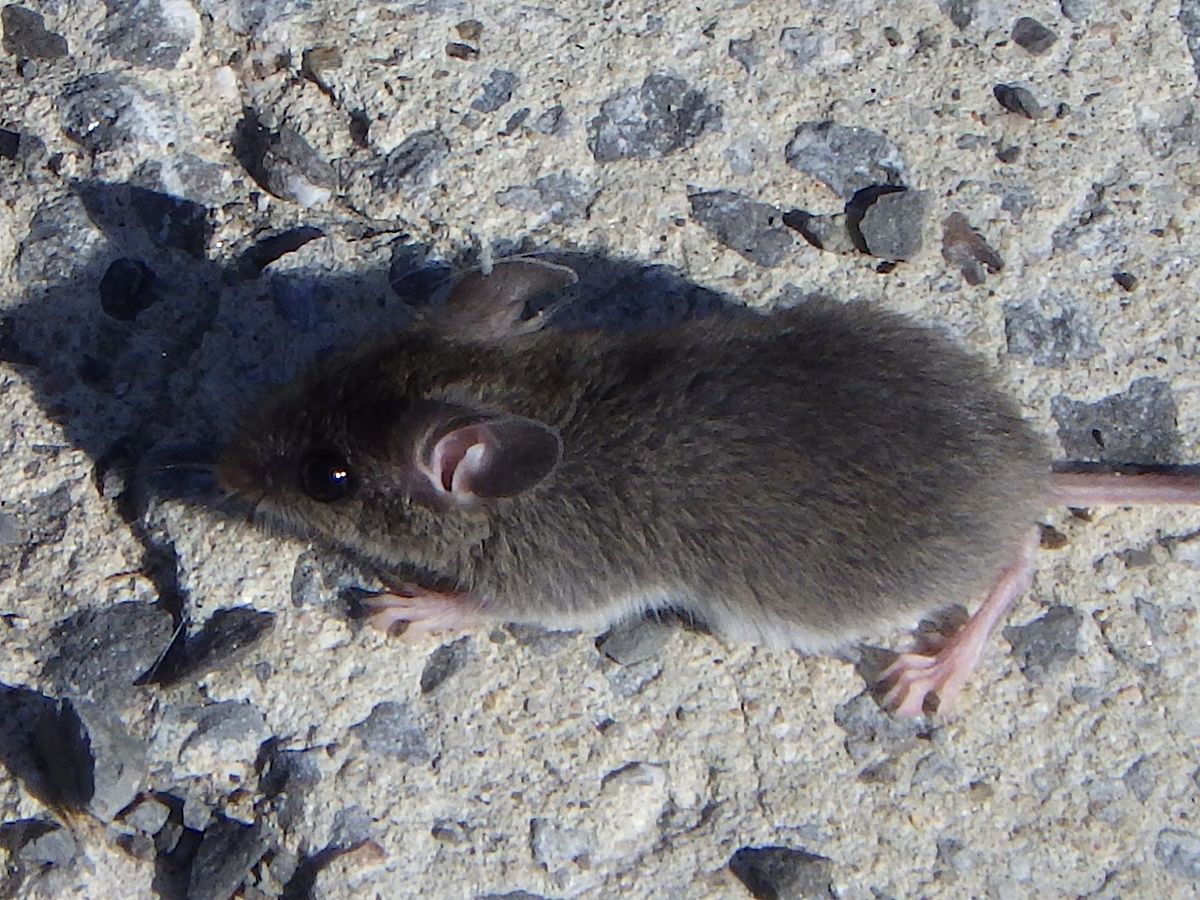
Not sure they're still around? Clean up droppings in one spot and check back. New droppings mean rodents are still active.
Step 1: Seal up #
A mouse can squeeze through a hole about 1/4 inch wide, about the width of a pencil. Look for openings:
Rats and mice: getting them out and keeping them outPest Control Helper
Openings to check
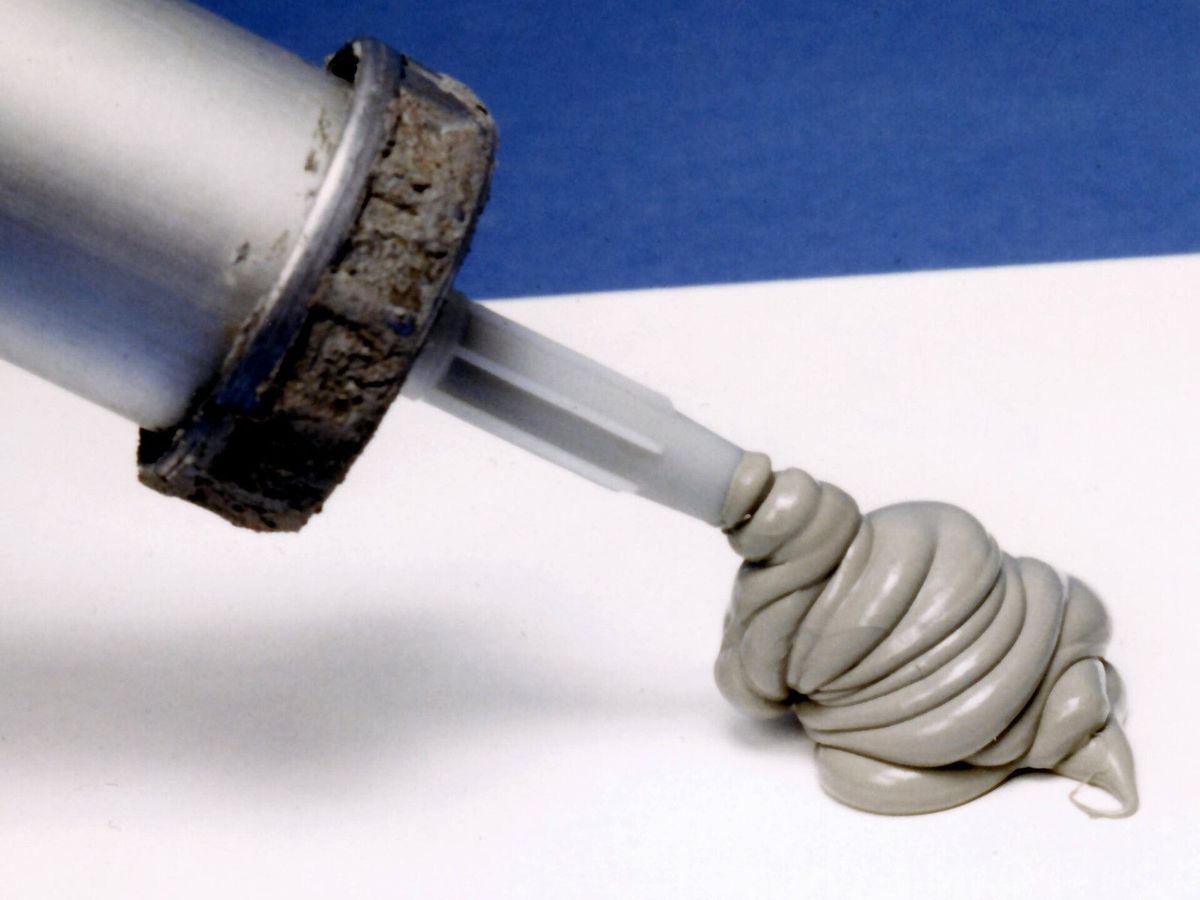
Fill small holes with steel wool, and caulk around it to hold it in place. Cover bigger holes with hardware cloth, metal sheeting, or cement. Trim branches that touch the roof.

Step 2: Trap up #
- Use snap traps sized for mice or rats.
- Bait with a small dab of chunky peanut butter.
- Set traps on the floor along walls, with the baited end touching the wall, so the trap and wall make a "T."
- Put traps where you've seen droppings or gnaw marks: behind the stove and fridge, in cabinets, in the attic or garage.
- Check traps every day.
- Rats are wary of new things. If you've seen rat signs for a week but caught nothing, bait the traps without setting them for a few days. Once the rats are eating the bait, set the traps.
- Keep going until you've caught nothing for a week and see no new signs.
Keep traps where kids and pets can't reach them.
About poison baits #
The CDC suggests poison bait stations only if trapping doesn't solve the problem.
- The EPA requires rodent poisons sold to consumers to come in ready-to-use bait stations. Loose pellets are not allowed in consumer products.
- The strongest poisons are limited to professional use because they pose greater risks to other animals.
- Pets and wildlife can be poisoned by eating bait, or by eating a rodent that ate bait.
Step 3: Clean up the right way #
- Open doors and windows for 30 minutes before you start, and leave the area while it airs out.
- Put on rubber or plastic gloves.
- Spray droppings and urine until very wet. Use a household product that says "disinfectant" on the label, or a bleach mix of 1 1/2 cups of household bleach in 1 gallon of water. Mix it fresh. Never mix bleach with ammonia, vinegar, or other cleaners. It can release fumes that are dangerous to breathe.
- Let it soak for 5 minutes, or as long as the disinfectant label says.
- Wipe it up with paper towels and throw them away in a covered trash can.
- Mop or wipe floors, counters, cabinets, and drawers with disinfectant.
- For dead rodents and nests: spray them, let them soak 5 minutes, then put them in a plastic bag. Tie it shut and put it inside a second bag.
- Wash your gloved hands, take off the gloves, then wash your hands with soap and warm water.
If rodents got into your heating or cooling ducts, the CDC recommends hiring a professional.
Fleas come with rodents #
In Texas, fleas from rats, opossums, and stray cats can spread flea-borne typhus. Texas Department of State Health Services (DSHS) advises treating for fleas before you start rodent control. Otherwise, fleas leaving dead rodents may look for a new host, like you. See the fleas and ticks guide.
Make your yard less inviting #
Rats and mice: getting them out and keeping them outPest Control Helper
Yard checklist
When to call a licensed company #
- Rodents are in your air ducts or heating and cooling system.
- You've trapped for a few weeks and still see new signs.
- You can't find or reach the entry points, especially up on the roof.
- There's a heavy infestation with lots of droppings and nests.
The Texas Department of Agriculture encourages homeowners to use a licensed applicator for rodent control and to check the license before signing anything. Ask whether the company seals entry points, not just sets out bait. Here's how to check a license.
Was this page helpful?
Your answer is sent to the site team with this page's address. Privacy policy
More pest guides
Ants
Fire ants in the yard or ants in the kitchen? The two-step bait method, why spraying trails backfires, and when to call…
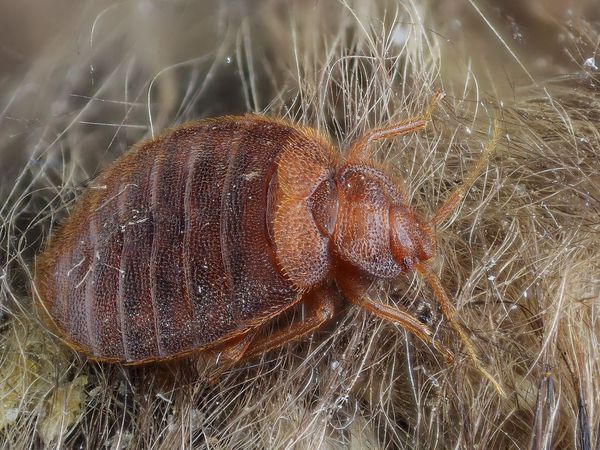
Bed bugs
How to spot bed bugs, a careful do-it-yourself plan with heat, cold and covers, steps for Texas renters, and when to…
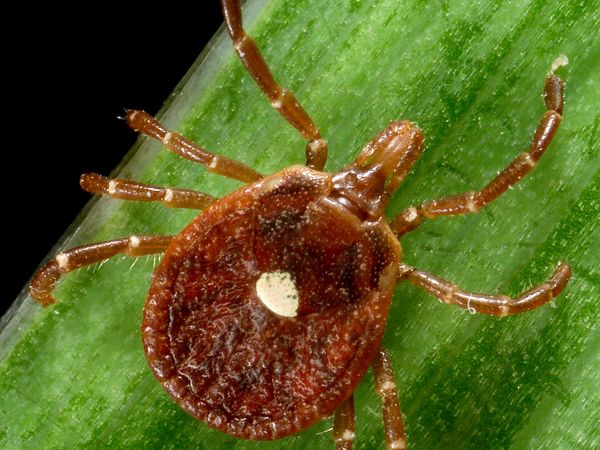
Fleas and ticks
How to break the flea life cycle at home, the flea-borne typhus risk in Texas, how to prevent tick bites, and how to…
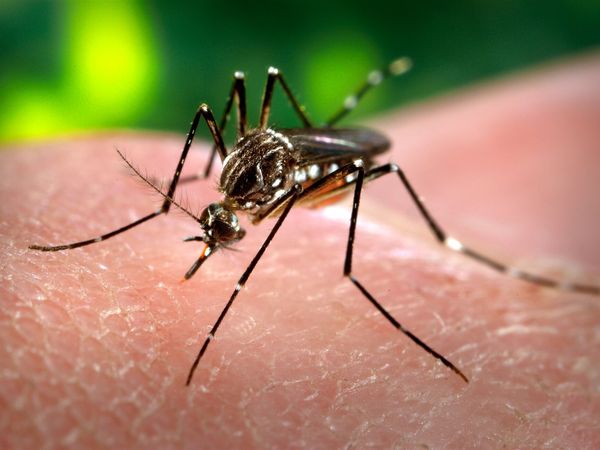
Mosquitoes
Cut mosquitoes at the source, pick an EPA-registered repellent, and know the West Nile risk in Texas.
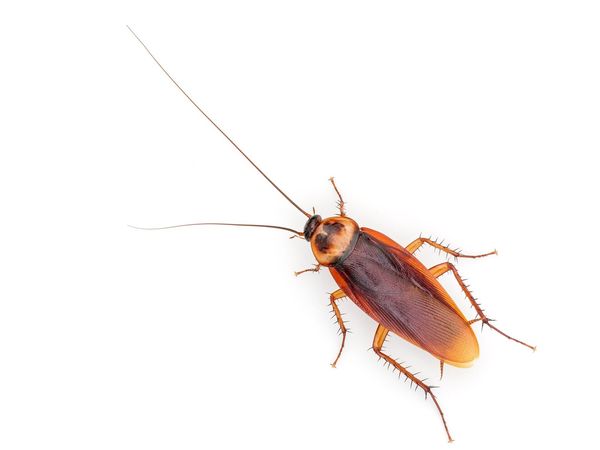
Cockroaches
Small kitchen roaches or big ones from outside? How to tell them apart, how to use baits the right way, why bug bombs…
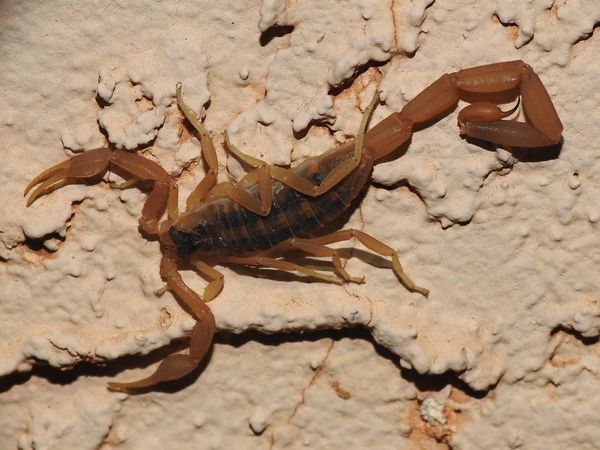
Scorpions
Striped bark scorpions live all over Texas, North Texas included.
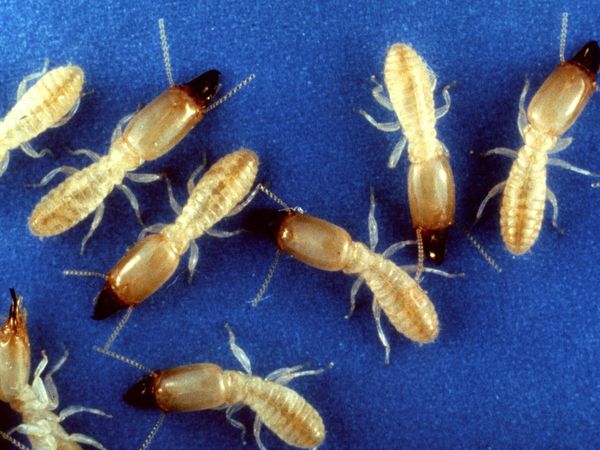
Termites
Signs of termites in a Texas home, how to tell termites from ants, what Texas requires before treatment, and how to read…
All pest guides
Every pest guide on one page, with a search box.
Photo: "Cimex lectularius (bed bug) (5975917188)" by Gilles San Martin, CC BY-SA 2.0, via Wikimedia Commons. Cropped; this version is licensed CC BY-SA 2.0. Photo: "Centruroides vittatus 209027111" by Sam Kieschnick, CC BY 4.0, via Wikimedia Commons. Resized. All photo credits